 Start free →
How we think about stories, conversion, and the post-page internet. Plus product updates, case studies, and the occasional rant.
Google I/O 2026 turned Search into an agentic AI ecosystem — and the informational traffic flat, text-heavy sites lived on is evaporating. Why optimizing for the AI scraper is only the cost of entry, and what you owe the human who finally clicks through.
Email still owns the long game — but a 20% open rate can't close a red-hot lead. Why native SMS and WhatsApp (98% open rates, read within minutes) turn peak video engagement into real-time revenue, plus three automations you can ship in under ten minutes.
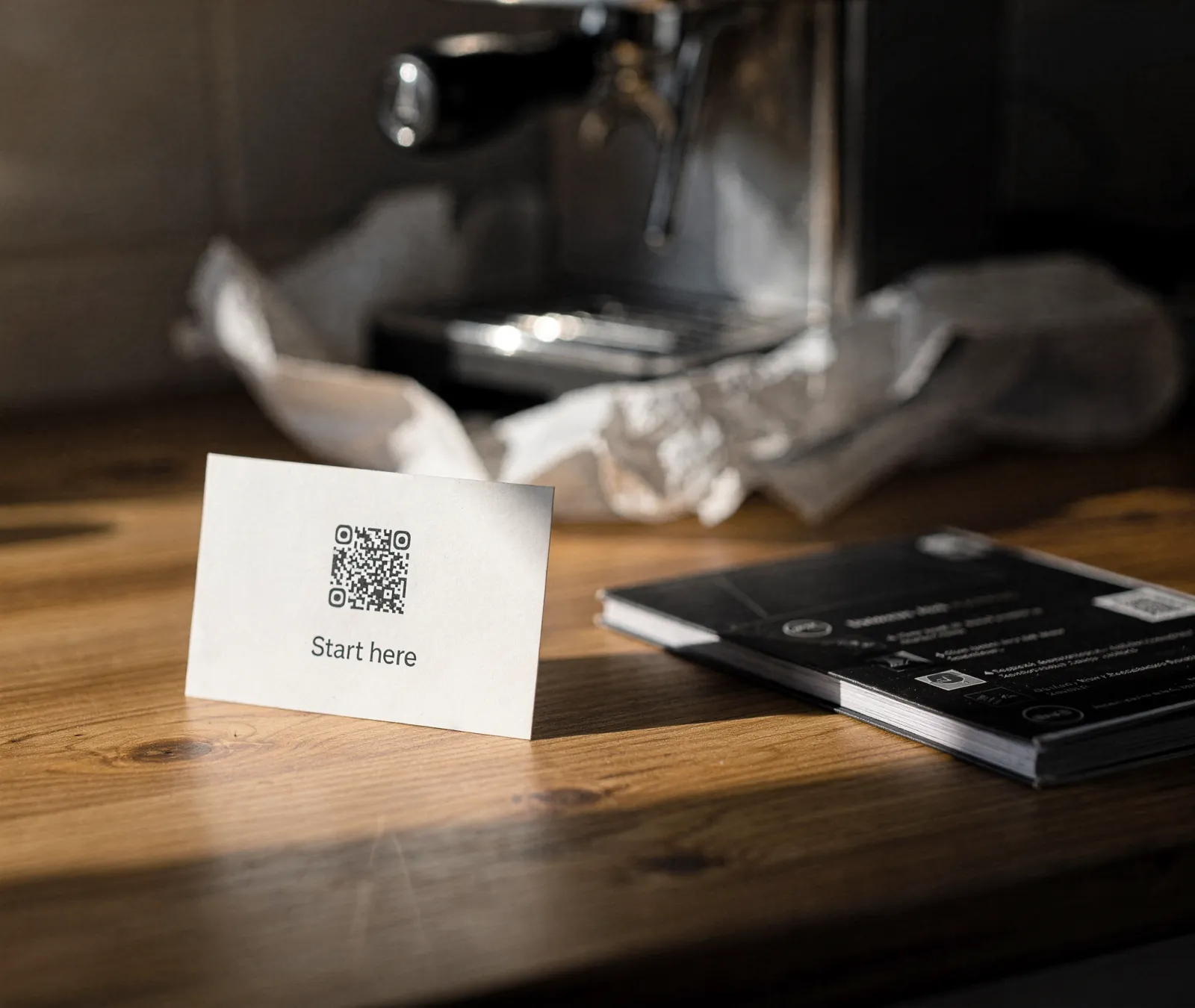
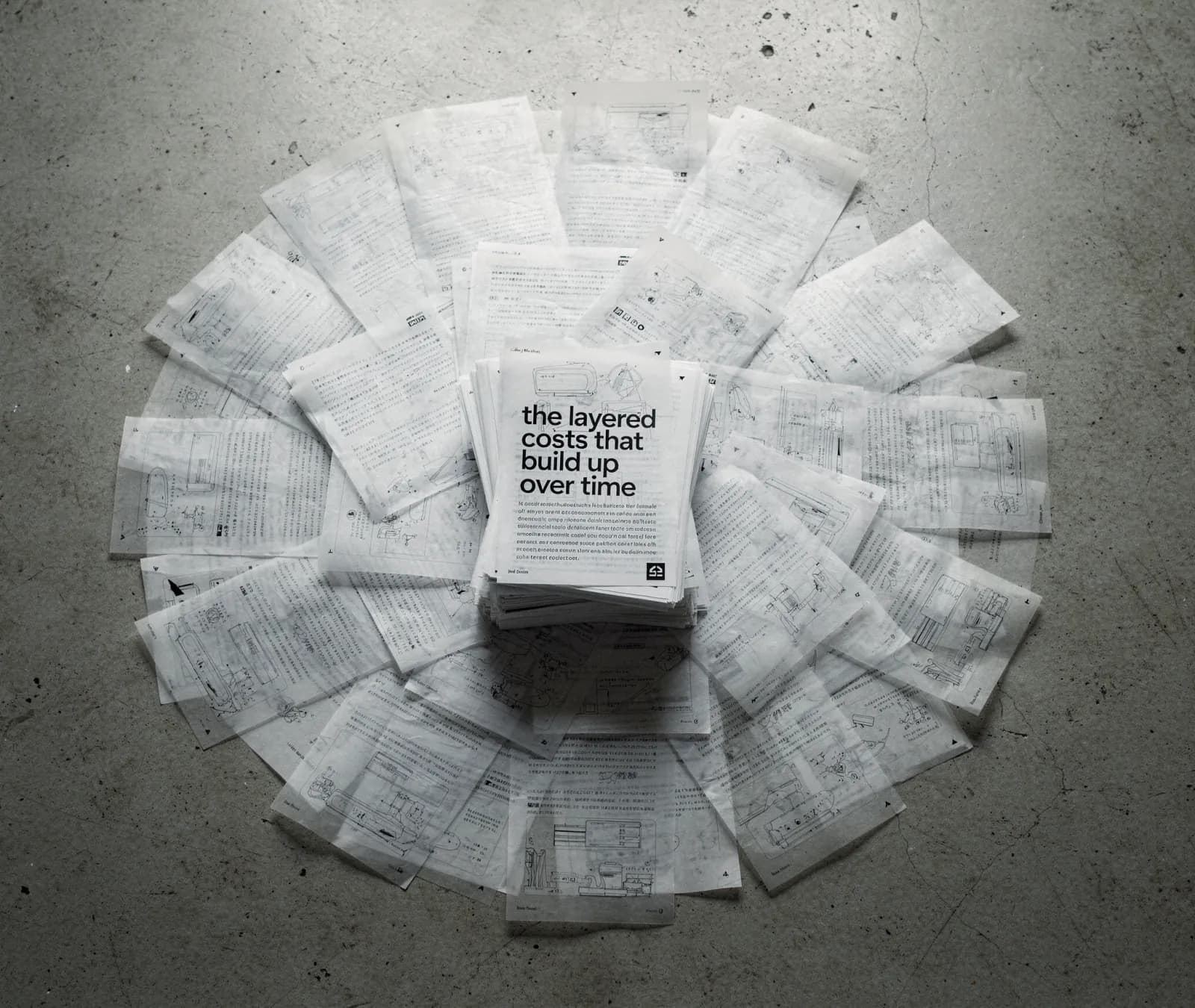
The first five minutes after the box opens decide satisfaction, returns, and repeat purchases — and a 12-page paper manual squanders all three. The numbers behind swapping it for a scan-and-watch Webstory, and what better onboarding does to your margins.
Attention has already moved. Most websites are still showing up to the fight with a brochure from 2010 — here's why the feed wins, and what changes when you stop treating your homepage like a static destination.
We've handed brand identity to AI-powered builders and gotten "mediocrity at scale." If your site looks like the company that does the opposite of what you do, you haven't built a brand — you've built a brochure.
Brands lean into creators on TikTok and revert to controlled messaging the moment a visitor lands on their site. The disconnect between where attention lives and where brands convert matters more than most teams realize.
People aren't sitting down to learn anymore — they're learning between things. Why a one-minute video sticks better than a 20-minute lecture, and what that does to course design.
There's a moment most product teams don't think enough about — the ten minutes after someone unboxes the thing. Short clips, clear steps, no friction. A walkthrough of what changes when onboarding stops looking like a manual.
Manuals, translations, custom apps, half-finished YouTube series — onboarding looks cheap until you scale it across a product line. A look at where the real cost lives, and the more practical solution most teams overlook.
Micro-learning didn't start in a classroom. It started in a scroll. The opportunity wasn't to invent something new — it was to organize what already worked, and make it usable at scale.
Most businesses don't have a content problem. They have a direction problem. Why structuring what you already know matters more than producing more of it.